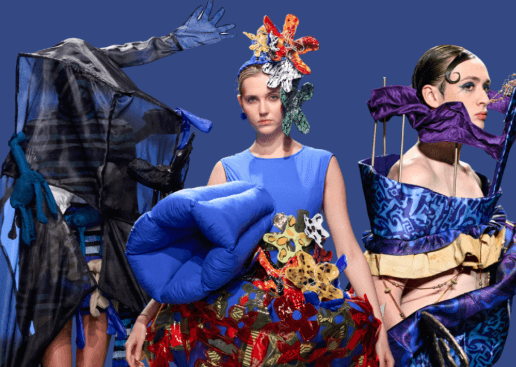

Fashion operates as a visual art form, translating fabric, silhouette, and color into a charged, shared language. It blends craft with spectacle, where texture and movement become evidence of intent. Garments turn into wearable canvases, tracing culture, mood, and possibility. From runway to street, the boundary between art and daily attire loosens, inviting scrutiny. Yet the conversation remains unfinished, inviting further questions about who decides the frame for fashion’s artistry.
What Makes Fashion a Visual Art Form
Fashion operates at the intersection of craft and spectacle, translating fabric, silhouette, and colour into a charged visual language. This visual form thrives on color theory’s tension and harmony, guiding mood and meaning across collections. Silhouette psychology reveals how shapes shape perception, evoking confidence or vulnerability. Fashion, then, becomes a disciplined art: perceptive, programmable, and unapologetically expressive for those who crave freedom.
Craft, Material, and Movement in Fashion
Craft, material, and movement coalesce as the tactile heartbeat of fashion, turning ideas into palpable reality. In this sphere, crafting textiles emerges as a deliberate dialogue between fiber and form, while designers choreograph their cuts with kinetic drape, shaping silhouette through motion. The discipline balances technique and intuition, delivering expressive, wearable sculpture that remains responsive to modern freedom and evolving aesthetic discourse.
From Concept to Collection: Narratives in Garments
From concept to collection, garments unfold as narratives stitched into fabric, each silhouette narrating a chapter of intention, context, and aspiration. Designers translate mood into texture storytelling, layering meaning through tactile rhythm and color dialogue. Silhouette governance guides form, balancing innovation with wearability; collections become fluid commandments.
Freedom-seeking audiences read wardrobe as dialogue, where trend-aware choices translate personal narrative into collective style momentum.
Evaluating Fashion as Art: Critics, Institutions, and Everyday Wear
The debate surrounding fashion as art foregrounds the fault lines between aesthetic merit and cultural function, prompting critics, institutions, and everyday wearers to weigh intention against reception. In this evaluative terrain, the fashion system mediates prestige and accessibility, while designers blur function with sculpture, turning garments into wearable sculpture that questions value, taste, and democratized expression within contemporary culture.
See also: The Essentials of Cryptocurrency Explained Clearly
Frequently Asked Questions
How Does Color Theory Influence Fashion’s Visual Impact?
Color psychology guides perception, dictating mood and desirability, while chromatic harmony crafts cohesive ensembles; the result is a savvy, trend-aware visual language that expresses freedom through deliberate palettes, influencing fashion’s impact on viewers with calculated resonance.
Can Streetwear Be Considered Timeless Art Beyond Trends?
Streetwear longevity hinges on a subset embracing a timeless mindset, arguing that artful pieces outlive trends; a 2023 survey shows 43% of enthusiasts value enduring design over quick flips, shaping a savvy, freedom-driven conversation about lasting style.
What Role Do Textiles Play in Shaping Aesthetics?
Textile choices steer aesthetics by shaping texture and mood; textile texture informs tactile perception, while fabric pattern announces mood, movement, and historical dialogue, enabling a wearer to signal individuality. This savvy, trend-aware approach embraces freedom and expressive nuance.
How Do Fashion Festivals Compare to Traditional Art Galleries?
Festival curation often emphasizes ephemeral spectacle, while gallery anthropology leans toward enduring context; roughly 62% of attendees prefer immersive installations. The comparison reveals fashion festivals’ kinetic energy against galleries’ measured storytelling, both shaping culture through nimble, trend-aware narratives.
Does Performance Wear Redefine Fashion as Visual Storytelling?
Performance wear redefines fashion as visual storytelling, presenting performance narratives on the body and transforming garments into wearable chapbooks that archive movement, culture, and meaning, while appealing to audiences seeking freedom and trend-aware, savvy expression.
Conclusion
Fashion distills culture into tactile poetry, where fabric, form, and motion collaborate to tell modern myths. Each collection stages a dialogue between concept and craft, inviting spectators to read intent in seam and silhouette. In this charged marketplace, garments become portable narratives—shaping mood, identity, and aspiration. Seen through a critic’s lens or a lay observer, fashion remains a living gallery of possibility. Like a comet across a runway night, it streaks through time, illuminating tomorrow’s style.